






%20cropped.jpg?width=200&height=200&name=Josh_Moore%20(Pro)%20cropped.jpg)
Think passwords are enough to keep hackers out? Think again. Over 99.9% of compromised accounts lack multifactor authentication (MFA) protection—and that’s no coincidence. Cybercriminals know that a single password is easy to steal, guess or crack.
MFA changes the game by adding extra layers of security, making it exponentially harder for attackers to break in. Whether you’re running a small business or managing a growing enterprise, MFA isn’t just a nice-to-have—it’s a must-have in today’s threat landscape.
In this article, we’ll break down what MFA is, why your business needs it, which industries are using it, the different types available, and where this technology is headed next. Let’s dive in.
- What Is Multifactor Authentication?
- Why Does My Business Need Multifactor Authentication?
- Which Industries Use Multifactor Authentication?
- What Kinds of Multifactor Authentication Are There?
- Where Is the Future of Multifactor Authentication Headed?
ARTICLE: The Importance of User Identity Verification for Help Desks
What Is Multifactor Authentication?
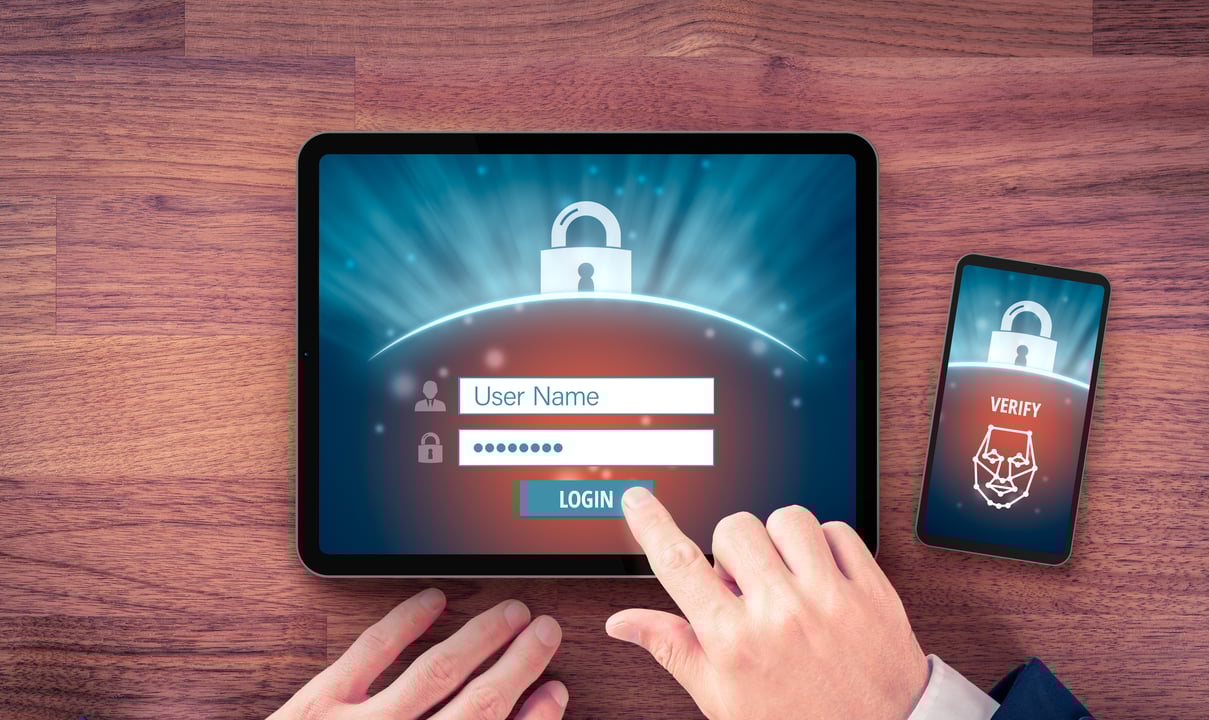
Multifactor authentication (MFA) is like adding extra locks to your digital doors—but instead of just one key, you need multiple ways to prove you’re you. At its core, MFA requires users to provide two or more verification factors before gaining access to an account, application, or system. These factors typically fall into three categories:
- Something you know (like a password or PIN)
- Something you have (such as a smartphone or security token)
- Something you are (biometric data like a fingerprint or facial recognition)
So, how is MFA different from two-factor authentication (2FA)? Think of 2FA as a subset of MFA. Two-factor authentication uses exactly two verification methods—usually a password plus a code sent to your phone. MFA, on the other hand, can include two, three or even more layers of security. The more factors you add, the harder it becomes for cybercriminals to break in.
In short: MFA is one of the simplest, most effective ways to protect your business from unauthorized access and data breaches.
ARTICLE: Embrace Cybersecurity Awareness Month
Why Does My Business Need Multifactor Authentication?
Cybercriminals love easy targets—and businesses that rely on passwords alone are practically rolling out the red carpet. Passwords can be stolen, guessed or leaked in a data breach. Once that happens, attackers have a free pass to your systems, customer data and sensitive information.
MFA adds an extra layer of defense. Even if a hacker gets your password, they still need another factor—like a code sent to your phone or a fingerprint scan—to break in. That extra step can make the difference between a minor inconvenience and a major security incident.
Here’s the reality: 54% of small to medium-sized businesses (SMBs) have not implemented MFA. That means more than half of SMBs are leaving their digital doors unlocked. In today’s threat landscape, that’s a risk most businesses can’t afford.
Bottom line? MFA is one of the most cost-effective ways to protect your business from cyberattacks. It’s simple, scalable and a must-have for any organization that values its data and reputation.
Which Industries Use Multifactor Authentication?
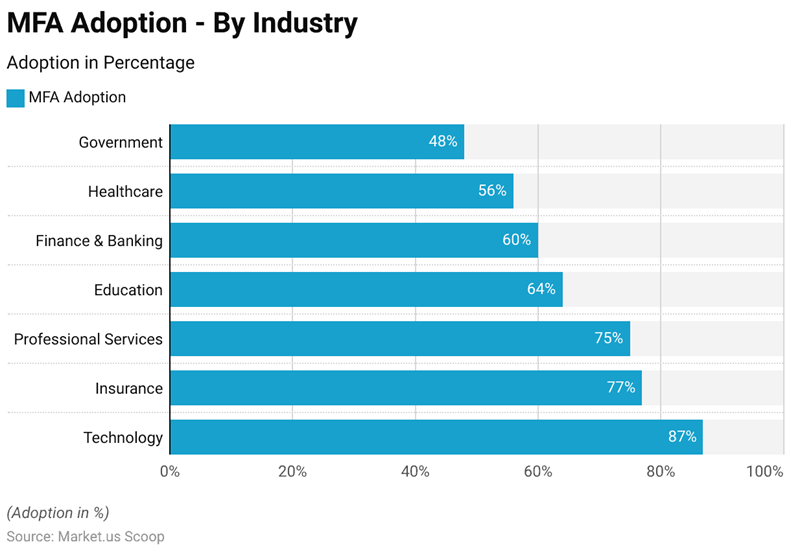
MFA is gaining traction across a wide range of industries, but adoption levels vary depending on cybersecurity priorities and compliance requirements.
Technology companies lead the way, reflecting their strong focus on protecting sensitive data and intellectual property. Insurance firms also show high adoption, recognizing the need to safeguard customer information and financial records.
Professional services and education sectors have embraced MFA as well, driven by the need to secure client data and academic resources. Financial institutions, where security is critical, continue to implement MFA as part of their layered defense strategies. Healthcare organizations and government agencies, while slightly behind other sectors, are steadily increasing adoption as regulations tighten and cyber threats become more sophisticated.
These differences underscore one key point: no matter the industry, MFA plays a vital role in reducing risk and strengthening data protection.
What Kinds of Multifactor Authentication Are There?
When it comes to MFA, there’s no one-size-fits-all approach. Businesses can choose from several methods, each offering different levels of security and convenience. Some of the most common options include:
- SMS or Email Codes: A one-time passcode (OTP) sent via text or email.
- Authenticator Apps: Apps like Google or Microsoft Authenticator generate time-based codes or send push notifications for quick approval.
- Biometrics: Fingerprint scans, facial recognition or even voice authentication add a highly secure, personal layer.
- Hardware Tokens and Security Keys: Physical devices, such as YubiKeys or smartcards, that authenticate via USB or NFC.
- Passkeys: A passwordless method using cryptographic keys, often paired with biometrics on your device.
- Magic Links: A one-time login link sent to your email for quick access.
- Security Questions: Pre-set personal questions, though this method is less secure and generally considered outdated.
The best MFA methods are those that balance strong security with user convenience. That’s why push notifications are the most popular MFA option today—they require only a single tap on a smartphone, making them both highly secure and incredibly easy to use.
Where Is the Future of Multifactor Authentication Headed?
The future of MFA is all about smarter, stronger and more seamless security. Traditional methods like SMS codes and authenticator apps aren’t going away anytime soon, but new technologies are quickly gaining ground.
Biometric authentication—using fingerprints, facial recognition or even voice—is becoming increasingly popular. This shift is fueled by advancements in AI-powered authentication tools that make biometrics faster, more accurate and harder to spoof.
Passkeys are also on the rise, offering a passwordless experience that combines cryptographic security with convenience. And then there’s adaptive MFA, which uses AI to analyze risk factors—like location, device and behavior—to determine when extra verification is needed.
As cyberthreats evolve, MFA will continue to move toward methods that are both highly secure and user-friendly. The goal? Strong protection without slowing people down.
Ready to Take the Next Step?
Cybersecurity threats aren’t slowing down—and neither should your defenses. MFA is one of the simplest, most effective ways to protect your business, but it’s just one piece of the puzzle. Want to know where your organization stands? Take Elevity’s free Cybersecurity Risk Assessment today and get actionable insights to strengthen your security posture.